
How Can You Get the Best Fuel Economy Ratings Out of Your Nissan Vehicle?
Boucher Nissan of Waukesha
Quick Answer
The EPA rating on your Nissan is the starting line, not a guarantee. Getting close to it, or beating your current MPG, comes down to six habits: keep your tires at the pressure listed on the driver’s door label, accelerate and brake smoothly, use cruise control on the interstate, stay on top of oil, filter, and tire service, pull off unused roof racks and extra cargo, and fill up with regular unleaded from a Top Tier station unless your model calls for premium.
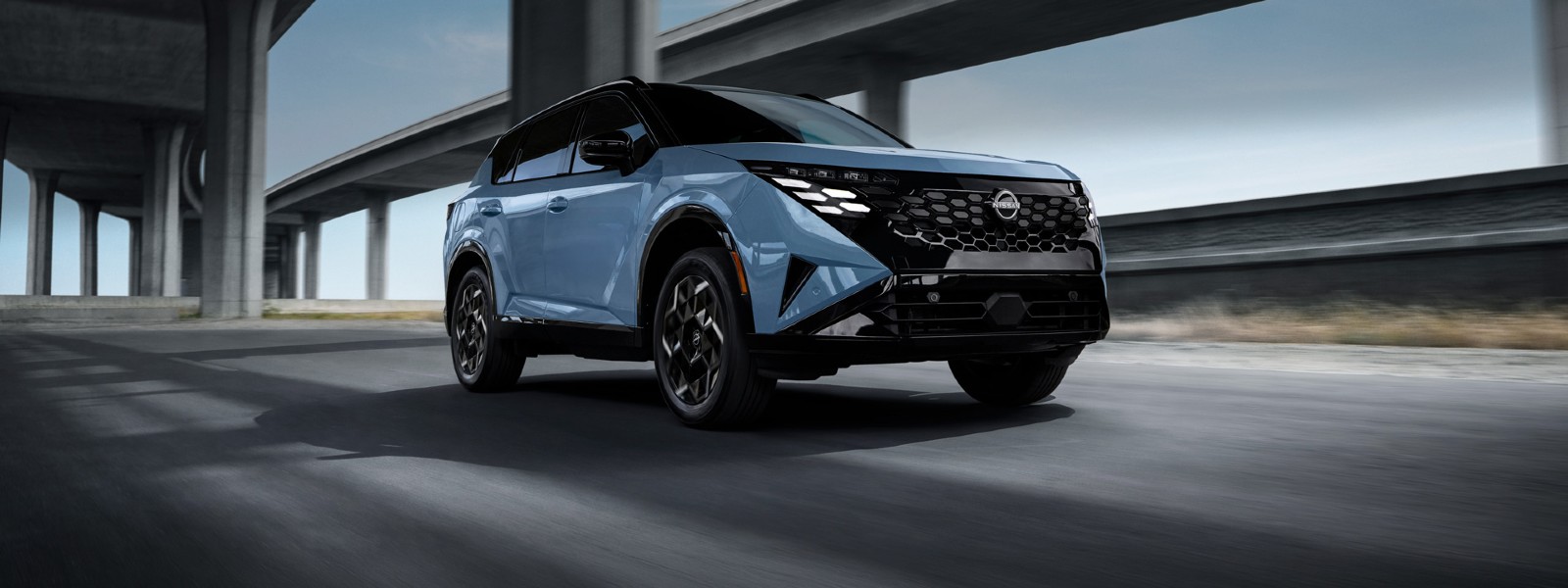
Nissan has a range of fuel-efficient cars and other vehicles sold to the public. Many Waukesha drivers may already own a fuel-efficient Nissan. The 2026 Sentra S and SV models offer 30 city and 38 highway MPG. The 2026 Nissan Kicks AWD offers 30 combined MPG, and the 2026 Rogue FWD offers 33 combined MPG. If you drive a Nissan vehicle, you can use these figures as a starting point for fuel economy.
But most consumers are unaware that the fuel economy you can expect when driving your Nissan vehicle may be less than EPA estimates because of variations in driving and maintenance habits. Information about estimated fuel economy for Nissan vehicles in 2026 provides a starting point. Two things influence fuel economy. One is the EPA rating. The other is something you can control: your driving and maintenance habits with the vehicle.
Here’s advice on addressing this experience gap.
Key Takeaways
2026 Nissan Fuel Economy Starting Points
Here is how the 2026 Nissan lineup figures mentioned above line up side by side. Think of each number as the benchmark your own driving and maintenance habits will either meet or fall short of.



Keep Tires Inflated Correctly
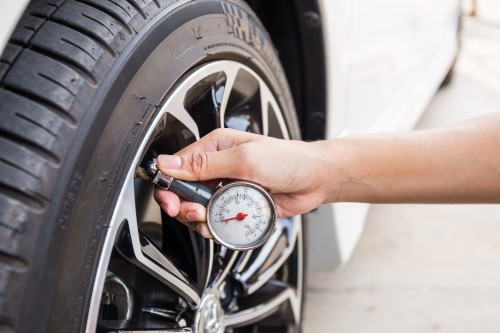
This overlooked problem drains the pockets of motorists. Tires lose air pressure over time, and underinflated tires by a few PSI compared with manufacturer recommendations can increase the rolling resistance of tires and reduce fuel economy in your Nissan. Research by AAA indicates that maintaining proper tire pressure and other simple practices have the most benefit for improving fuel economy. Regularly check tire pressure every two to four weeks and look for a label on the driver’s door of your vehicle to find the recommended tire pressure, not the maximum pressure listed on the tire sidewall.
Smooth Acceleration Is Beneficial
Consumer Reports tests found that rapid acceleration and braking reduced fuel economy in a prototype vehicle by 2 to 3 MPG. These reductions are significant for vehicles with city/highway fuel economy ratings of 33 and 35 MPG. Fuel-saving techniques, including slow acceleration and braking, can help drivers get maximum fuel economy. All Nissan Sentra, Rogue, and Kicks models come equipped with an Xtronic CVT transmission designed to increase fuel economy. To get the most benefit from the transmission, Nissan drivers should avoid rapid acceleration when approaching stoplights.
Use Cruise Control on Interstates
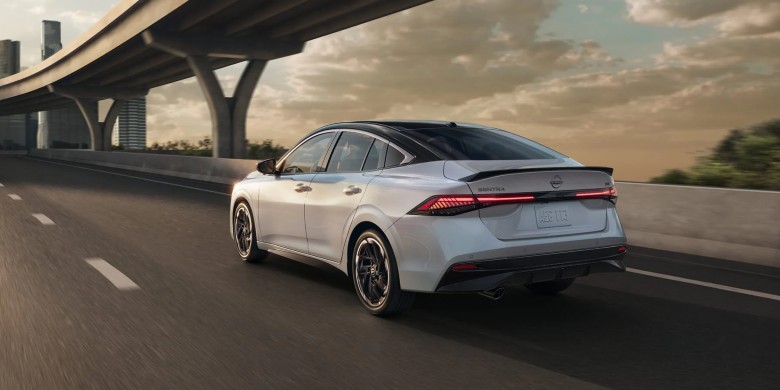
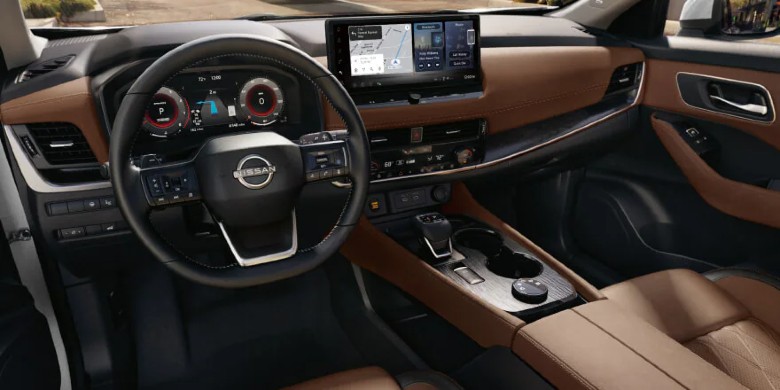
One of the simplest ways to reduce gas consumption on highway trips is one of the best: use cruise control. Drivers who maintain steady speeds of 65-70 mph on highway trips consume significantly less gas than drivers who adjust their speeds to match the flow of other traffic. Inconsistent speeds are a common but underappreciated cause of lower fuel efficiency on the highway, as reported by Edmunds. Cruise control eliminates this fuel efficiency issue.
Stay Informed About Maintenance Requirements
Dirty air filters, old spark plugs, and thinner engine oil can decrease your actual Nissan MPG. EPA MPG estimates are for a properly maintained vehicle. Boucher Nissan of Waukesha provides complete services such as oil changes, air filter replacement, and tire rotation to help you maximize your vehicle’s MPG. Many drivers underestimate the value of regular vehicle service.

Reduce Drag and Unnecessary Weight
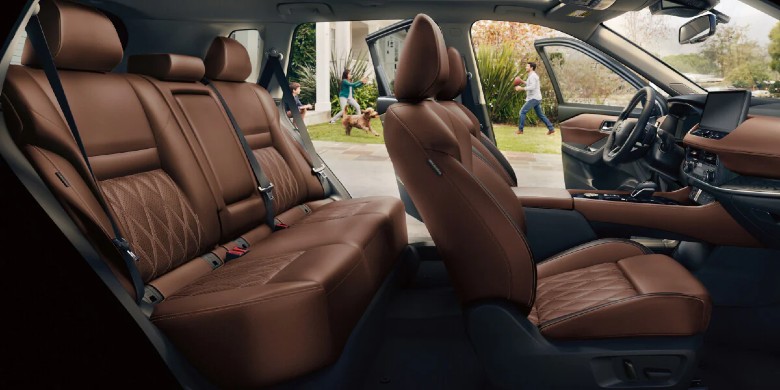
Consumer Reports says that installing a roof rack carrier on a vehicle reduces fuel economy by 5-9 MPG. Installing just a roof rack can reduce fuel economy by 2-5 MPG. You may want to remove any roof racks or carriers on your vehicle if you aren’t using them. Extra cargo weight in the Rogue or Kicks cargo area can reduce long-term fuel economy. Every 100 pounds of extra cargo weight in the vehicle reduces fuel economy by an average of 1 percent.
What These Habits Can Cost You at a Glance
Use the Right Fuel and Rewards Programs
Unless your Nissan model requires premium fuel, you are unlikely to benefit in any way from purchasing premium fuel. Use regular unleaded fuel and look for Top Tier fuel providers that offer additives in their fuel to help keep your fuel injectors clean. Club programs from major fuel chain providers like Shell and Costco offer discounts of several cents per gallon, which are among your best options for saving money on fuel through the life of your vehicle.
Visit Us at Boucher Nissan of Waukesha to Learn More
If fuel efficiency is high on your list as you shop for a new or used vehicle, the staff at Boucher Nissan of Waukesha is here to help you find the perfect vehicle. Visit us today and let us help you find the best ways to save money on gas or the right vehicle to help you do so. Visit us today to learn more.
Nissan Fuel Economy FAQ
What MPG does the 2026 Nissan Rogue and Kicks get?
The 2026 Rogue FWD offers 33 combined MPG, and the 2026 Nissan Kicks AWD offers 30 combined MPG.
Why is my Nissan getting lower MPG than the EPA estimate?
The EPA rating is only half the story. Your real-world fuel economy also depends on your driving and maintenance habits, and EPA estimates assume a properly maintained vehicle. Low tires, aggressive driving, dirty filters, and extra weight can all pull your numbers down.
How often should I check the tire pressure on my Nissan?
Check it every two to four weeks. Use the recommended pressure on the label on the driver’s door, not the maximum pressure printed on the tire sidewall.
Does using cruise control actually save gas?
Yes. Holding a steady 65-70 mph on the highway uses significantly less gas than speeding up and slowing down to match traffic, and cruise control makes that steady pace easy to keep.
How much does a roof rack hurt fuel economy?
According to Consumer Reports, a roof rack carrier can reduce fuel economy by 5-9 MPG, and a roof rack by itself can reduce it by 2-5 MPG. If you aren’t using them, take them off.
How much does extra cargo weight affect my gas mileage?
Every 100 pounds of extra cargo weight reduces fuel economy by an average of 1 percent, so clearing out the cargo area of your Rogue or Kicks is an easy win.
Should I put premium gas in my Nissan?
Only if your Nissan model requires it. Otherwise, regular unleaded is the way to go, ideally from a Top Tier fuel provider whose additives help keep fuel injectors clean.
Does the Xtronic CVT help my Nissan’s fuel economy?
Yes. All Nissan Sentra, Rogue, and Kicks models come with an Xtronic CVT designed to increase fuel economy. You’ll get the most out of it by accelerating gently and avoiding hard starts near stoplights.
Where can I get service to improve my Nissan’s MPG near Waukesha?
Boucher Nissan of Waukesha offers oil changes, air filter replacement, and tire rotation, the kind of routine service that helps keep your Nissan close to its EPA estimates.

0 comment(s) so far on How Can You Get the Best Fuel Economy Ratings Out of Your Nissan Vehicle?