Wisconsin weather doesn’t mess around — and if you’ve ever felt your car drift eerily across a wet road like it has a mind of its own, you already have a sense of “What is hydroplaning?” It’s one of those driving experiences that can happen in an instant and catch even experienced drivers off guard. At Boucher Nissan Waukesha, we talk to Waukesha drivers about road safety all the time, and this topic comes up more than you’d think — especially during spring rain season and summer storms. Here’s what you need to know to stay safe.
Hydroplaning occurs when a film of water between your tires and the road surface causes your tires to lose contact with the pavement entirely. When that happens, you’re essentially riding on water — and physics is not on your side.
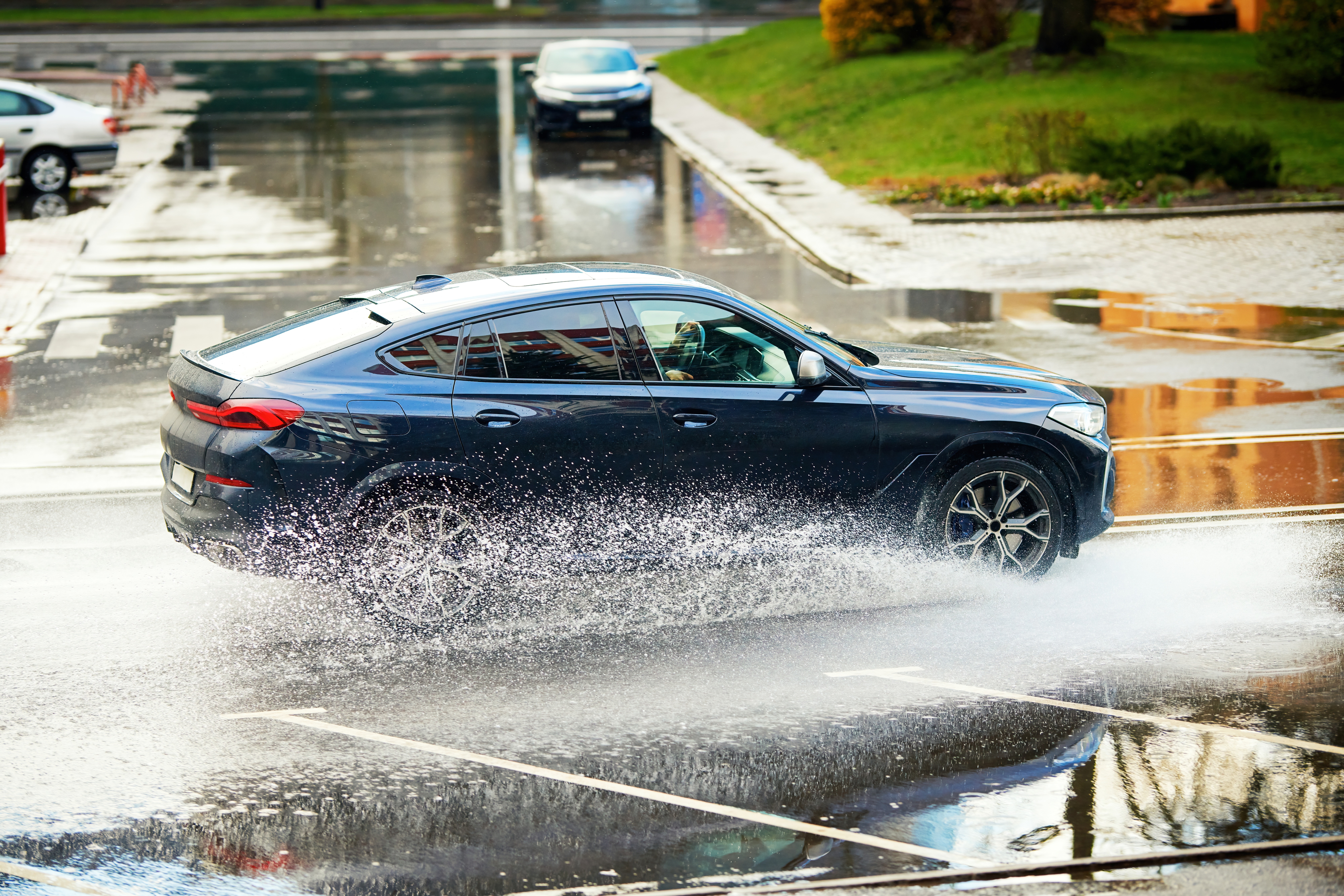
To really understand “What’s hydroplaning doing to my vehicle?” think about what tires actually do. The grooves in your tire tread are designed to channel water away from the contact patch — the part of the tire touching the road. When everything’s working right, those grooves move water out fast enough to keep the rubber gripping the pavement. But when there’s more water than the tires can displace — due to speed, rain intensity, worn tread, or low tire pressure — the tires start riding up on the water layer. At that point, you’ve lost your ability to steer, brake, or accelerate effectively. Your car becomes, essentially, a sled. Hydroplaning can happen on any wet road, but it’s especially likely when rain first starts and oil and grime float to the surface before being washed away, making roads extra slick.
Common Conditions That Trigger Hydroplaning:
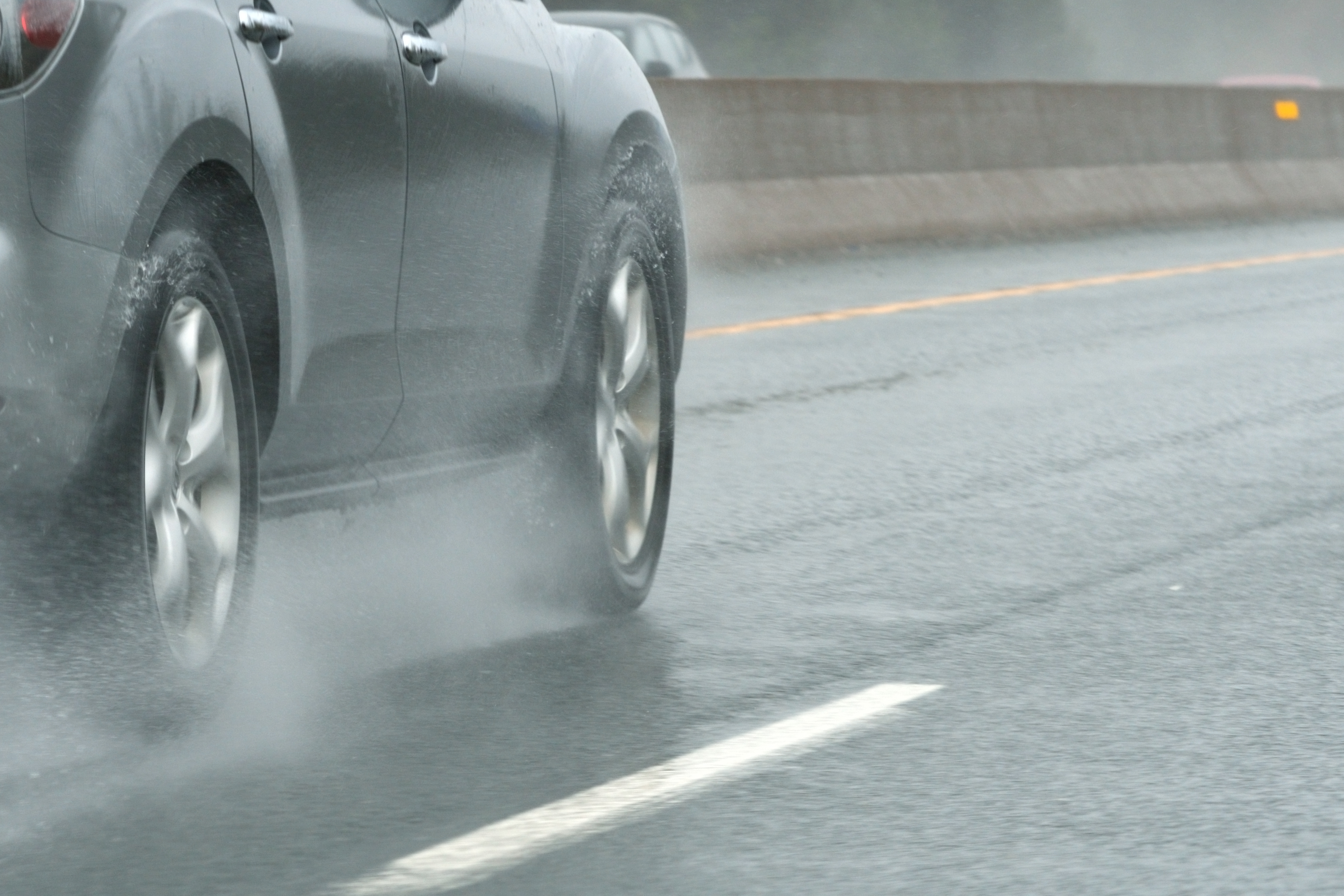
The good news: “How to avoid hydroplaning?” comes down mostly to habits and maintenance — and both are very much within your control.
Speed is the biggest variable you can control in the moment. The faster you drive, the less time your tires have to push water out of the way. Slow down in the rain, especially on highways where you might be tempted to keep pace with traffic. Following other cars too closely is also a risk — the spray from vehicles ahead of you can reduce your visibility and add to the water your tires need to manage.
Beyond speed, your tires are your front line of defense. Keeping them properly inflated matters more than most drivers realize — even tires that look fine can be low on pressure and far less effective at water evacuation. Tread depth is equally important. If you can stick a penny into the groove with Lincoln’s head pointing down and see the top of his head, your tires are legally worn but still marginal — consider replacing them before winter or wet-weather season hits. At Boucher Nissan Waukesha, our service team can quickly check your tire condition and let you know where things stand.
Hydroplaning Risk Factors at a Glance:
| Factor | Risk Level | What to Do |
|---|---|---|
| High speed on wet roads | High | Reduce speed below 35 mph in heavy rain |
| Worn tire tread | High | Replace tires when tread depth is below 2/32″ |
| Underinflated tires | Medium-High | Check and inflate to the manufacturer’s spec monthly |
| Standing water/puddles | Medium-High | Avoid or slow significantly before passing through |
| Driving in the first rain of the season | Medium | Extra caution — oil/grime makes roads slicker initially |
The most important thing to understand about “What to do when hydroplaning?” is not to panic and not overcorrect. Your instincts might tell you to brake hard or jerk the wheel — both of those can make things significantly worse.
When you feel that unsettling float — the steering going light, the car drifting — here’s the sequence that gives you the best chance of regaining control safely. Ease off the accelerator smoothly. Don’t slam the brakes. If you have to brake and your car has ABS, apply firm, steady pressure and let the system do its job. If you don’t have ABS, pump the brakes gently. Keep the steering wheel pointed in the direction you want to go. As your speed drops, your tires will find the road again, and normal steering will return.
The whole episode often lasts just a second or two. The cars that end up in the ditch are usually the ones where the driver panicked and overcorrected. Staying calm, keeping your hands steady, and easing off the gas is almost always the right call.

Wet roads are part of life in Waukesha — and that’s exactly why it’s worth taking a few minutes to think through your tires, your speed habits, and your wet-weather game plan before the next big storm rolls in. “How to avoid hydroplaning?” isn’t complicated, but it does require attention to the basics: good tires, appropriate speed, and knowing what to do if things do go sideways. If you haven’t had your tires checked recently, now’s a good time. The team at Boucher Nissan Waukesha is here to help Waukesha drivers stay safe on the road, season after season.
If you’re not sure about the condition of your tires, scheduling a quick inspection at Boucher Nissan Waukesha is an easy next step. Wet-weather driving puts real demands on your tires, and catching a problem before the rain hits is always better than dealing with one during it. Stop by, give us a call, or book online — we’ll get you squared away.
Hydroplaning occurs when a layer of water forms between your tires and the road, causing your vehicle to lose traction and slide uncontrollably. It can occur even at moderate speeds when conditions are right.
Hydroplaning can begin at speeds as low as 35 mph on a wet road, though the risk increases significantly as speed goes up. Worn tires and heavier rainfall further lower that threshold.
No, all-wheel-drive and four-wheel-drive systems don’t prevent hydroplaning. Hydroplaning is a tire-and-road contact issue, not a power-distribution one; even AWD vehicles can lose traction on standing water.
Check your tread depth using the penny test: insert a penny into the tread groove with Lincoln’s head down — if you can see the top of his head, the tread is worn, and replacement is overdue. Also, make sure tires are inflated to the pressure listed in your owner’s manual.
It’s best to avoid cruise control in wet conditions. If your vehicle hydroplanes while cruise control is active, the system may try to maintain speed, making it harder to regain control.
Yes, but significantly less likely. New tires with deep tread evacuate water much more efficiently than worn tires, giving you far better grip on wet roads — though speed and water depth still play a role.