If you’re driving an electric vehicle for the first time, it’s completely normal to wonder how the charging process works—especially with a model as popular as the Nissan LEAF. Around Boucher Nissan of Waukesha, drivers often ask about the easiest ways to keep their LEAF powered up, how long charging takes, and what to expect day‑to‑day. The good news? Charging a LEAF is far simpler than most people think, and once you get into a rhythm, it becomes second nature.
Whether you’re commuting around Waukesha or planning a longer weekend drive, understanding how to charge Nissan LEAF models helps you get the most out of your EV. Let’s walk through the basics, the different charging options, and the benefits of owning an electric vehicle.
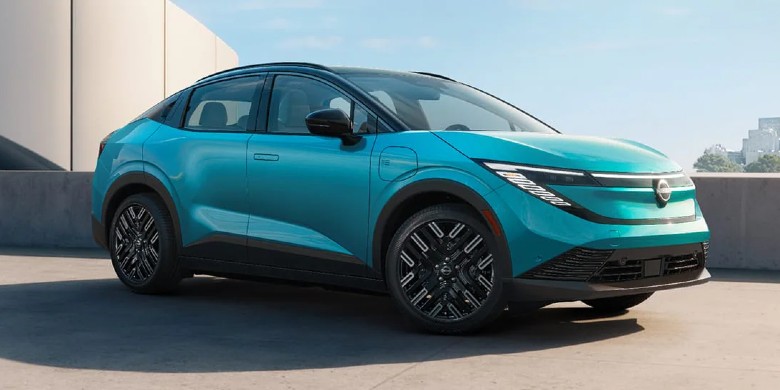
Learning how to charge is surprisingly straightforward. Every LEAF comes with a charging port at the front of the vehicle, right above the grille. Just pop the charge door, plug in the connector, and the car handles the rest. The LEAF communicates with the charger automatically, so there’s no complicated setup or special steps to remember.
There are three main ways to charge a Nissan LEAF:
Each option has its own charging speed, cost, and ideal use case. Most drivers use a mix of home charging and public charging depending on their routine.
One of the most common questions is: “How fast does Nissan LEAF charge?” Charging time depends on the charger type. Here’s a simple breakdown to help you compare your options:
| Charging Method | Power Source | Typical Use | Estimated Nissan LEAF charge time |
|---|---|---|---|
| Level 1 | Standard 120‑volt home outlet | Overnight charging, light daily use | 20–35 hours for a full charge |
| Level 2 | 240‑volt home charger or public station | Daily charging, faster home charging | 7–10 hours for a full charge |
| DC Fast Charging | Public fast‑charge station | Quick top‑offs, road trips | 40–60 minutes to reach ~80% |
These times vary slightly depending on battery size and temperature, but the chart gives a reliable real‑world expectation.
Level 1 charging is the simplest way to get started. Every LEAF includes a charging cable that plugs into a standard household outlet. It’s slow, but it works well for drivers with short commutes or those who can leave the car plugged in overnight.
Think of Level 1 as a “trickle charge.” It’s not meant for rapid charging, but it’s incredibly convenient because it requires no additional equipment.
If you want faster charging at home, a Level 2 charger is the way to go. Many LEAF owners install a 240‑volt charger in their garage or driveway, which significantly reduces charging time. This setup is ideal for daily driving because you can fully recharge while you sleep.
Public Level 2 chargers are also widely available around Wisconsin, making it easy to top off while shopping, dining, or running errands.
For the quickest results, DC Fast Charging is the champion. These stations bypass the vehicle’s onboard charger and deliver power directly to your LEAF at a much higher rate. That’s why you can go from low battery to about 80% in under an hour.
Fast charging is fantastic for road trips or unexpected detours, but it’s not meant for everyday use. Think of it as your “get back on the road quickly” option.
Charging an EV isn’t just about convenience—it comes with real advantages that make ownership more enjoyable:
Once you settle into a routine, charging becomes one of the most appreciated perks of owning a LEAF.
Charging a Nissan LEAF is simpler than many drivers expect, and with multiple charging options available, it’s easy to find a setup that fits your lifestyle. Whether you’re plugging in at home, using public Level 2 stations, or taking advantage of DC Fast Charging on longer trips, the LEAF gives you the flexibility to stay powered up without hassle. Boucher Nissan of Waukesha is always here to help you understand your charging options and make the most of your electric driving experience.
Level 1 charging takes 20–35 hours, while Level 2 home charging typically takes 7–10 hours.
Yes—most LEAF models support DC Fast Charging for rapid top‑offs.
In most cases, yes. Home electricity rates can be lower than public charging fees.
Level 1 requires no extra equipment. Level 2 requires a 240‑volt charger installed by a professional.
Occasional fast charging is excellent. Daily use isn’t recommended because it generates more heat, which can affect long‑term battery health.